SwiftUI · MapKit · Camera · BLE · QR

iPhone
Apps

Applications designed where the phone meets physical work: equipment moving through a room, a camera waiting for a motor, and records that should stay on the device.

Read what happened when Apple reviewed the first two submissions →

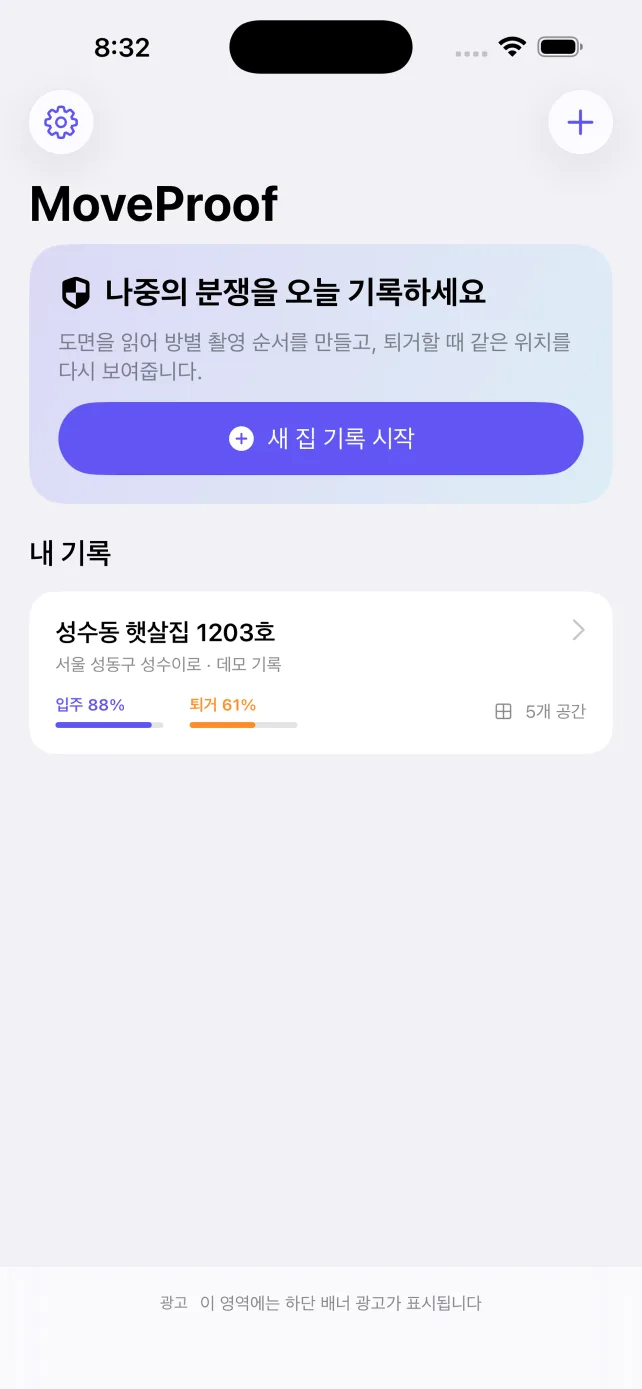
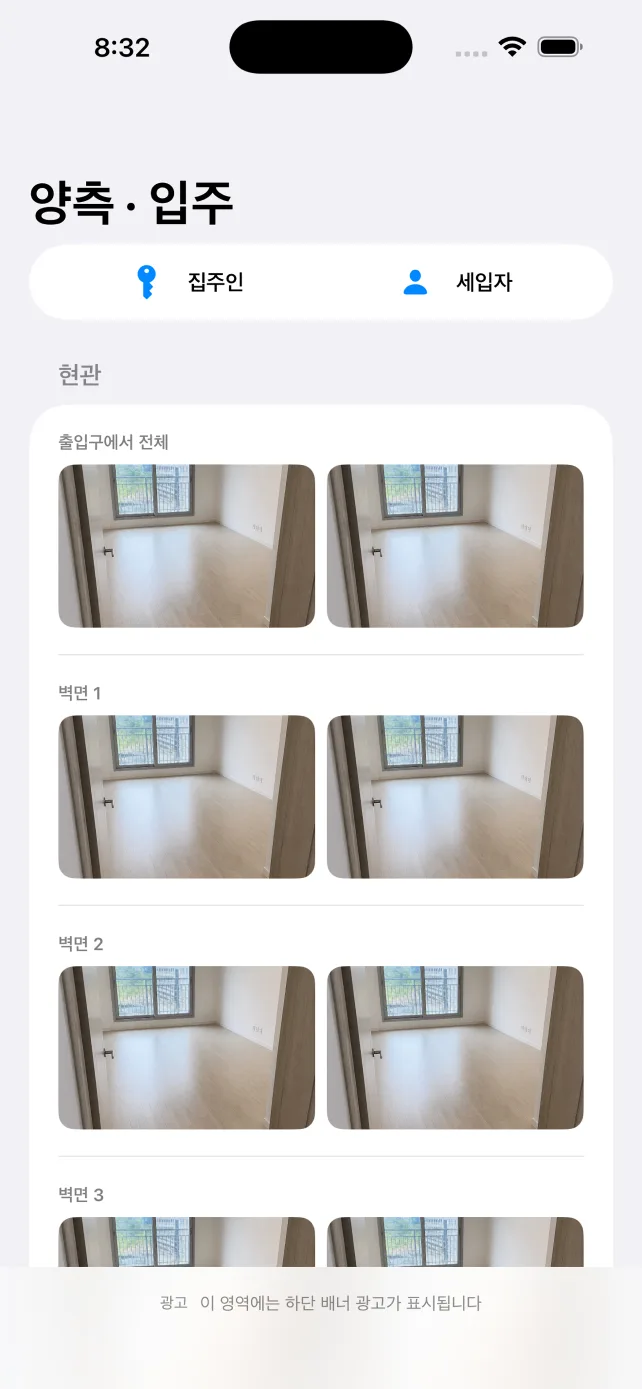
MoveProof property dashboard MoveProof landlord and tenant comparison screen

SwiftUI · Vision OCR · Camera · PDF

MoveProof

Photograph the same home, from the same directions, before the argument starts.

MoveProof turns a floor plan into a repeatable inspection route. A landlord and tenant can capture separate move-in or move-out records, compare matched views, review the evidence together, and sign a shared confirmation on the phone.

  • Korean and English room-label recognition with Apple Vision
  • One sweep video and nine required views for every room
  • Local timestamps, SHA-256 hashes, signatures, and PDF export

Honest boundary: the comparison score and confirmation form help people review a record. They do not decide liability, repair cost, or legal effect.

Read the complete build note →
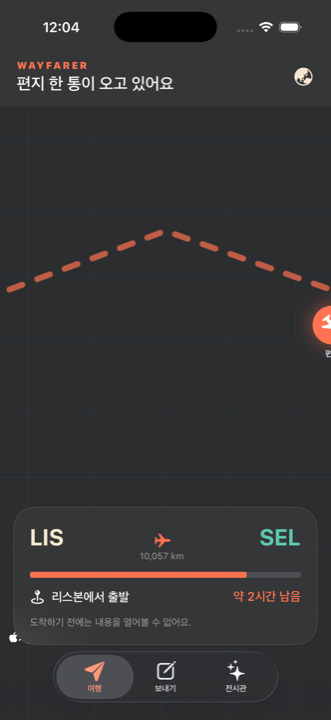
Wayfarer iPhone prototype showing a photo letter traveling from Lisbon to Seoul

SwiftUI · MapKit · Local UX prototype

Wayfarer

A photo letter has to travel before you can open it.

Wayfarer explores a slower kind of photo sharing. A postcard leaves one city, crosses a MapKit route, and stays sealed until it reaches another. The recipient can keep it or send it onward, extending its distance and handoff history.

  • Animated city-to-city journey with distance and arrival time
  • Compose, seal, open, keep, and forward interactions
  • Journey, sending, and exhibition views in a native tab layout

Honest boundary: this is a local SwiftUI interaction demo. The eight-second trip is accelerated, and the real server and photo upload pipeline are not connected yet.

Local-first rental operations

Know what left. Record what came back.

ReturnProof registers assets and expected kit components, prints QR labels, records checkout, and guides a return inspection with component counts, notes, and up to eight local photos. Required missing components block checkout instead of merely creating a warning.

The core includes atomic JSON persistence, export, QR deep links, AirPrint, direct ZPL network printing, Google Mobile Ads test integration, consent handling, and a one-time App Store purchase path for removing ads.

Honest boundary: it is a working single-device prototype, not a multi-tenant rental SaaS. There is no cloud synchronization, customer signature, or independent proof of liability.

What using it looks like

  1. Register the equipment.Add an asset, its expected components, and condition photos on the iPhone.
  2. Print and attach a QR label.Use AirPrint or a networked ZPL label printer directly from the app.
  3. Scan at checkout.Confirm the kit is complete; required missing components block the handoff.
  4. Scan again on return.Count components, add notes, and capture up to eight local inspection photos.
  5. Keep or export the record.The history remains on that device as JSON-backed local data unless the user exports it.
Phone-to-hardware workflow

Coordinate the camera with a machine that moves.

The controller speaks a documented BLE protocol to an ESP32, sends turntable and lighting commands, reads homing and weight state, and coordinates an eight-view capture sequence. Camera handling, device state, and transport logic are separated so the Swift core can be compiled and tested without the complete UI.

Honest boundary: the Swift communication layer builds, but the complete turntable has not yet completed physical assembly and load testing.

Open the public repository ↗